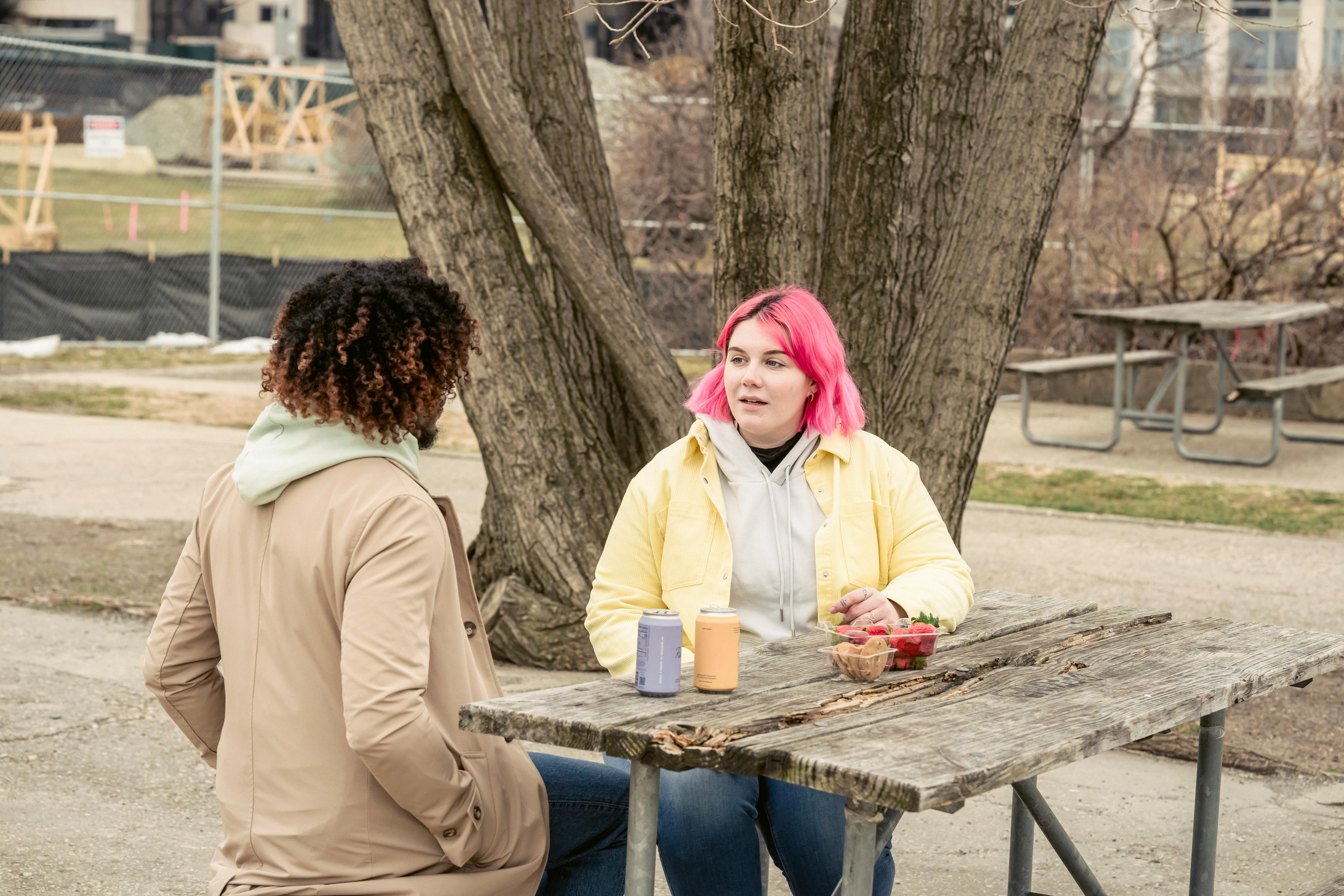
It’s Okay to Ask Questions Before Deciding
Many people feel pressure to decide quickly when they start looking for help. They worry that asking questions will start something they cannot stop. This fear alone can stop people from reaching out at all.
If this feels familiar, you are not alone. Asking questions does not mean you are making a decision. It simply means you want to understand your options.
You Do Not Have to Decide Straight Away
It is normal to feel unsure at the beginning. For many survivors, making decisions feels risky because control was taken away from them before. Wanting time to think is a healthy response.
You are allowed to pause. You are allowed to think things through. Nothing moves forward just because you ask a question.
Asking Questions Is Not the Same as Starting a Claim
Many people worry that the moment they speak to someone, they are locked into a process. This is not how it works.
Asking questions means:
You are learning what your options are
You are finding out what support exists
You are seeing what feels right for you
You are not signing anything. You are not agreeing to go ahead. You are simply getting information.
Why Survivors Often Feel Pressure to Decide
For people who grew up in care or under control, pressure can feel very familiar. Decisions were often made for them, not with them. That can make any new process feel unsafe.
Some people also worry about being judged for waiting. Others fear missing out if they do not act quickly. These worries can make thinking clearly harder.
You are allowed to take the time you need. There is no right speed.
What Kind of Questions Is It Okay to Ask?
You can ask any question that helps you feel clearer or safer. There are no silly questions, and you do not need to know the right words.
People often ask things like:
Do I have to go to court?
What happens if I change my mind?
Will anyone find out?
What if I do not remember everything?
These are normal questions. Asking them does not mean you are ready to decide anything.
It Is Okay If You Are Not Sure What You Want
Some people know straight away what they want to do. Many others do not. Feeling unsure does not mean you are doing something wrong.
You might feel pulled in different directions. Part of you may want answers, while another part wants to stay quiet. Both feelings can exist at the same time.
Not knowing yet is okay. You can still ask questions.
You Stay in Control the Whole Time
It is common to worry about losing control when asking for help. For many people, control was taken from them before. This time, you decide what happens next.
You decide:
What questions you ask
What you share
Whether you go any further
You can stop at any point. You do not owe anyone an explanation.
Asking Questions Can Be a Small First Step
For some people, asking a question feels safer than taking action. It is a way of testing the ground without stepping too far forward. That is completely valid.
You do not need to tell your whole story. You do not need to explain everything at once. You can start small.
Even reading information or sending a short message counts as a step.
What If I Ask Questions and Then Decide Not to Go Ahead?
Some people ask questions and later decide it is not the right time, and that’s perfectly ok. Others decide not to take things further at all. This does not mean the questions were a waste.
Understanding your options can still bring clarity or peace of mind.
You Deserve Clear and Honest Answers
Many survivors were kept in the dark when they were younger. They were not told what was happening or given a choice. That can make unclear information feel unsettling now.
You deserve answers that are easy to understand. You deserve honesty and patience. You deserve to feel respected.
Asking questions is part of protecting yourself.
Takeaway
You do not have to rush. You do not have to decide today, tomorrow, or even soon. Asking questions is simply a way of learning, not a promise to act.
If you are curious, unsure, or just want to understand things better, that is enough reason to ask.
And anyone who chooses to make a claim does so on a No Win No Fee basis, meaning there is no risk and nothing to pay upfront.
Get in touch with us to learn more.

